
Building-a-Winning-Content-Strategy-for-Your-Digital-Signage

Building a Winning Content Strategy for Your Digital Signage

Digital signage has become a vital communication tool across industries, from retail to corporate environments. However, without a well-planned content strategy, digital signage can fail to capture attention and deliver impactful messages. Crafting the right content for different screen types, incorporating 2D and 3D content (especially for unique formats like L-shaped LED screens), and using effective scripting techniques can make all the difference in audience engagement.

In this blog, we’ll explore how to develop a compelling content strategy tailored to different digital screens, the importance of 2D and 3D content, and how to craft clear and engaging messages.

Understanding the Types of Digital Signage Screens

Before diving into content development, it’s crucial to understand the various types of digital screens and their specific content needs:

1. Standard LED/LCD Screens

  • Found in retail stores, corporate lobbies, and transit stations.
  • Ideal for video loops, promotions, and informational content.
  • Content should be clear, visually striking, and adaptable to different viewing distances.

2. Interactive Touchscreens

  • Used in kiosks, self-service stations, and wayfinding.
  • Requires user-friendly UI/UX design with interactive elements.
  • Content should guide users smoothly and be designed for engagement.

3. Large Video Walls

  • Utilized in malls, stadiums, and command centers.
  • Needs high-resolution content and dynamic visuals.
  • Multi-screen coordination is essential to ensure smooth transitions and immersive storytelling.

4. L-Shaped & Curved LED Screens

  • Common in immersive environments and experiential marketing.
  • Demands well-structured 2D and 3D content to optimize visibility.
  • Content should flow seamlessly across different screen angles and avoid distortion.

Understanding the placement and audience behavior around these screens helps in tailoring content for maximum impact.

The Role of 2D & 3D Content in Digital Signage

2D Content: The Foundation of Digital Signage

2D visuals such as images, videos, and animations form the core of most digital signage content. The key to success lies in:

  • High-resolution visuals for crisp, professional displays.
  • Well-paced animations that keep viewers engaged.
  • Consistent branding elements (fonts, colors, and logos) for a uniform experience.
  • Story-driven motion graphics to make complex information easier to understand.

3D Content: Elevating Engagement

With advancements in LED display technology, 3D content is gaining traction, especially for L-shaped and curved screens. Benefits of 3D content include:

  • Increased depth perception and realism, making content more immersive.
  • Enhanced storytelling through dynamic perspectives.
  • Greater visibility and engagement, particularly in high-footfall areas.
  • Ability to simulate real-world experiences, boosting brand recall and emotional impact.

To create effective 3D content:

  • Use motion tracking and perspective adjustments to optimize viewer experience.
  • Consider real-time rendering for interactive 3D elements.
  • Align content with physical space to enhance spatial storytelling.
  • Test visual depth effects to ensure they work effectively on specific screen setups.

Crafting a Strong Scripting Strategy

A well-scripted message ensures clarity, engagement, and impact. Follow these steps for effective scripting:

1. Define Your Objective

  • Are you promoting a product, informing customers, or guiding visitors?
  • Keep a single focus to avoid overwhelming viewers.
  • Consider the context—indoor versus outdoor signage may require different messaging styles.

2. Keep It Concise

  • Digital signage viewers have limited attention spans.
  • Use short, direct sentences and impactful words.
  • Prioritize essential information in the first few seconds.

3. Structure Messages for Maximum Impact

  • Hook: Grab attention with a bold headline or animation.
  • Core Message: Deliver key information using visuals and text.
  • Call to Action (CTA): Direct viewers to take an action (scan a QR code, visit a website, etc.).
  • Reinforcement: Use repetition for key messages to improve retention.

4. Use Engaging Visual & Audio Elements

  • Complement text with eye-catching visuals.
  • Incorporate background music or voiceovers to reinforce messaging.
  • Ensure accessibility by including subtitles and alternative text.
  • Use dynamic text animations to make important information stand out.

Optimizing Content for Clarity and Engagement

1. Tailor Content to Audience Behavior

  • Retail Spaces: Focus on promotions, discounts, and brand storytelling.
  • Corporate Offices: Use motivational messages, news updates, and internal communications.
  • Public Transport & High-Traffic Areas: Ensure quick, easily digestible content.
  • Event Venues & Stadiums: Display interactive fan engagement content and real-time updates.

2. Design with Readability in Mind

  • Use large fonts with high contrast for easy readability.
  • Avoid excessive text – aim for 6-8 words per frame.
  • Ensure smooth content transitions to maintain flow.
  • Use a balanced layout with proper spacing to prevent visual clutter.

3. Leverage Real-Time and Dynamic Content

  • Incorporate live social media feeds, news, or weather updates.
  • Use data-driven content personalization (e.g., targeted ads based on audience demographics).
  • Update content regularly to keep it fresh and engaging.
  • Utilize AI-powered recommendations to tailor content to viewer interests.

4. Test and Optimize Performance

  • Conduct A/B testing to determine which content formats perform best.
  • Monitor audience interactions and adjust content accordingly.
  • Use analytics from signage software to refine future content strategies.
  • Track engagement metrics such as dwell time and interaction rates.

Additional Best Practices for Effective Digital Signage Content

1. Incorporate Multilingual Content

  • If your audience is diverse, consider adding multiple language options.
  • Use symbols and universally recognized icons to enhance comprehension.

2. Utilize Motion Graphics & Animations

  • Subtle animations can make content more appealing without being distracting.
  • Ensure that motion graphics don’t overwhelm the message.

3. Consider Environmental Factors

  • Adjust brightness and contrast for outdoor screens to ensure visibility.
  • Optimize content for different lighting conditions, ensuring clear readability in all environments.

4. Integrate with Other Marketing Channels

  • Use QR codes or NFC technology to bridge digital signage with mobile engagement.
  • Synchronize messaging across in-store displays, social media, and email campaigns.
  • Showcase user-generated content to enhance authenticity and social proof.

Conclusion

Building a winning digital signage content strategy requires careful planning, creativity, and adaptability. By understanding different screen types, leveraging both 2D and 3D content effectively, scripting compelling messages, and optimizing for clarity and engagement, businesses can create impactful digital signage that resonates with their audience.

As digital signage continues to evolve, integrating emerging technologies like AI-driven content personalization and interactive 3D experiences will further enhance engagement and effectiveness. The key is to stay innovative, analyze performance, and continuously refine your content strategy to maximize impact.

With the right approach, digital signage can become a powerful tool to inform, engage, and convert audiences, driving meaningful business outcomes.

How-to-Solve-the-Biggest-Content-Challenges-in-Digital-Signage

How to Solve the Biggest Content Challenges in Digital Signage

Digital signage has become an essential tool for businesses, retail stores, restaurants, and corporate offices to engage their audience effectively. However, one of the biggest challenges faced in digital signage is content development. Without high-quality, engaging, and updated content, digital signage can lose its effectiveness. In this blog, we will explore how to overcome the most common content challenges using signage software and strategic content development.

1. Creating Engaging and Relevant Content

One of the primary challenges in digital signage is developing engaging and relevant content. Many businesses struggle to keep their displays fresh, informative, and captivating for their audience.

Solution:

  • Understand Your Audience: Tailor your content to the interests and needs of your target audience.
  • Use High-Quality Visuals: Incorporate HD images, animations, and videos to grab attention.
  • Update Content Regularly: Keep the information current to maintain relevance.
  • Leverage Templates: Many signage software solutions provide templates that help create visually appealing content quickly.
  • Use Interactive Elements: Incorporate touchscreens and interactive features to boost engagement.

2. Managing Content Across Multiple Locations

For businesses with multiple locations, ensuring that the right content is displayed at the right place can be a daunting task.

Solution:

  • Centralized Content Management System (CMS): Modern signage software allows remote content updates from a single dashboard.
  • Automated Scheduling: Schedule different content for different locations and times to streamline content management.
  • Role-Based Access: Assign different content management roles to team members to control who updates what.
  • Cloud-Based Solutions: These enable seamless content updates across all locations, ensuring uniformity and efficiency.

3. Keeping Content Fresh and Dynamic

Stale content can disengage your audience. If digital signage displays outdated promotions, irrelevant messages, or repetitive content, it loses its impact.

Solution:

  • Integrate Live Feeds: Use news, weather updates, and social media feeds to keep content dynamic.
  • Leverage AI and Data-Driven Content: Many signage software platforms offer AI-powered content recommendations based on customer behavior.
  • Automate Content Updates: Use automation tools to update content based on real-time data and business needs.
  • Create Seasonal Campaigns: Plan content updates for holidays, sales events, and special occasions.

4. Ensuring Content Consistency and Brand Identity

Maintaining a consistent brand identity across all digital signage screens can be challenging, especially for larger enterprises.

Solution:

  • Use Brand Guidelines: Ensure all content adheres to brand colors, fonts, and tone.
  • Create a Content Library: Maintain a repository of pre-approved content assets.
  • Utilize Cloud-Based Signage Software: This enables real-time updates and consistency across all screens.
  • Implement Approval Workflows: Ensure all content is reviewed and approved before going live to maintain brand integrity.

5. Measuring Content Effectiveness

Businesses often struggle to determine whether their digital signage content is effective in engaging customers and driving desired actions.

Solution:

  • Implement Analytics Tools: Use signage software that provides data insights into engagement levels and audience interactions.
  • A/B Testing: Test different content formats and messaging to determine what works best.
  • Gather Customer Feedback: Use QR codes or interactive screens to collect feedback on content effectiveness.
  • Monitor Dwell Time: Track how long viewers engage with specific content to gauge its impact.

6. Integrating Digital Signage with Other Marketing Channels

Many businesses fail to integrate their digital signage strategy with other marketing efforts, leading to missed opportunities.

Solution:

  • Sync with Social Media: Display user-generated content and brand social media feeds.
  • Use QR Codes: Direct viewers to landing pages, promotions, or loyalty programs.
Corporate Screen

Coordinate with Email Campaigns: Reinforce messages from digital signage in email marketing.

Leverage Cross-Promotion: Advertise in-store events, special discounts, or exclusive deals available through other channels.

7. Ensuring Hardware and Software Compatibility

Technical issues such as incompatible hardware and software can hinder content performance on digital signage.

Solution:

  • Invest in Reliable Signage Software: Choose a solution that supports multiple formats and devices.
  • Ensure Scalability: Select a platform that grows with your business needs.
  • Regular Maintenance: Perform software updates and hardware checks to prevent downtime.
  • Use a Professional Installation Service: Ensure screens are installed correctly for optimal performance.

Final Thoughts

Effective content development is the backbone of a successful digital signage strategy. By leveraging advanced signage software, businesses can overcome content challenges, enhance engagement, and maximize ROI. Whether it’s ensuring brand consistency, managing multiple locations, or keeping content fresh, the right approach and tools can make all the difference.

Invest in a reliable digital signage software solution, develop a robust content strategy, and stay ahead of the competition in the dynamic digital signage landscape. By addressing these content challenges, businesses can ensure their digital signage delivers maximum impact, engaging customers and driving meaningful results.

Elevating Your Brand with Videography Services and Content Development

Elevating Your Brand with Videography Services and Content Development

In today’s digital landscape, compelling content is king. To stand out in a crowded market, businesses need to leverage powerful storytelling techniques and high-quality visuals. This is where videography services and content development come into play. By combining expert videography with strategic content development, brands can create engaging and impactful content that resonates with their target audience. This blog post explores the significance of videography services and content development, their benefits, applications, and how they can elevate your brand.

The Power of Videography Services

What Are Videography Services?

Videography services encompass the professional creation of video content, including planning, shooting, editing, and post-production. These services are provided by skilled videographers and production teams who use advanced equipment and techniques to produce high-quality videos. Whether it’s a promotional video, corporate film, event coverage, or social media content, videography services ensure that the visual storytelling is compelling and professional.

Key Components of Videography Services

  1. Pre-Production: This phase involves planning and conceptualizing the video. It includes scriptwriting, storyboarding, location scouting, and scheduling.
  2. Production: This is the actual filming phase, where the videography team captures the raw footage using professional cameras, lighting, and audio equipment.
  3. Post-Production: This phase includes editing the footage, adding special effects, sound design, color correction, and finalizing the video for distribution.

Benefits of Professional Videography Services

High-Quality Production

Professional videography services ensure high-quality production, which is crucial for making a strong impression on your audience. Expert videographers use state-of-the-art equipment and techniques to capture stunning visuals and crystal-clear audio, resulting in a polished and professional final product.

Enhanced Storytelling

A skilled videographer knows how to tell a story through visuals. They can craft a narrative that captivates viewers, evokes emotions, and communicates your message effectively. This enhanced storytelling can make your content more memorable and impactful.

Time and Cost Efficiency

Outsourcing videography services can save your business time and money. Professional videographers handle all aspects of production, from planning to post-production, allowing you to focus on other important aspects of your business. Additionally, high-quality videos produced by professionals can have a longer shelf life, providing better ROI over time.

Versatility

Videography services can produce a wide range of content types, including commercials, training videos, corporate films, product demos, event coverage, and social media content. This versatility allows businesses to create tailored content for different platforms and audiences.

The Role of Content Development

What is Content Development?

Content development is the process of creating, curating, and refining content to achieve specific business goals. It involves understanding the target audience, developing a content strategy, creating content, and continuously optimizing it based on performance metrics. Content can take various forms, including written articles, videos, infographics, podcasts, and social media posts.

Key Components of Content Development

  1. Strategy: Developing a content strategy that aligns with your business goals and target audience. This includes setting objectives, identifying key messages, and choosing the right content formats and channels.
  2. Creation: Producing high-quality content that resonates with your audience. This involves writing, designing, filming, and editing.
  3. Distribution: Sharing the content across appropriate channels to reach your target audience. This includes social media, websites, email newsletters, and more.
  4. Optimization: Continuously monitoring content performance and making adjustments to improve engagement and achieve business goals.

Benefits of Strategic Content Development

Targeted Communication

Effective content development ensures that your message is tailored to your target audience. By understanding your audience’s needs, preferences, and behaviors, you can create content that speaks directly to them, increasing engagement and driving conversions.

Consistent Branding

Content development helps maintain a consistent brand voice and message across all platforms. This consistency is crucial for building brand recognition and trust with your audience.

Improved SEO

High-quality content is essential for search engine optimization (SEO). Well-crafted articles, videos, and other content types can improve your search engine rankings, driving organic traffic to your website.

Enhanced Customer Relationships

Regularly producing valuable and engaging content helps build and nurture relationships with your audience. By providing content that educates, entertains, or solves problems, you can establish your brand as a trusted authority in your industry.

Integrating Videography Services and Content Development

Combining professional videography services with strategic content development can create a powerful synergy that elevates your brand. Here’s how these two elements can work together to produce exceptional content:

Story-Driven Video Content

By integrating content development strategies with videography, you can create story-driven video content that resonates with your audience. Start by identifying the key messages and objectives, then work with a videography team to bring the story to life through compelling visuals and narratives.

Multi-Platform Content Strategy

A well-rounded content development strategy considers multiple platforms and formats. By leveraging videography services, you can produce a variety of video content tailored for different platforms, such as short clips for social media, detailed tutorials for YouTube, and promotional videos for your website.

Consistent Messaging

Ensure that your video content aligns with your overall content strategy and brand messaging. Consistency across all content types reinforces your brand identity and helps build trust with your audience.

Measurable Results

Use analytics and performance metrics to evaluate the success of your video content. By continuously monitoring and optimizing your videos based on viewer engagement, watch time, and other metrics, you can refine your approach and achieve better results.

How to Choose the Right Videography Services and Content Development Partner

Assess Your Needs

Before selecting a videography and content development partner, assess your specific needs and goals. Determine the type of video content you need, the target audience, and the platforms where the content will be distributed.

Evaluate Expertise and Experience

Look for a partner with expertise and experience in both videography and content development. Review their portfolio to assess the quality of their work and their ability to tell compelling stories through video.

Check for Strategic Alignment

Ensure that the partner understands your brand and can align their services with your overall content strategy. A good partner will take the time to understand your business objectives and develop a customized approach to meet your needs.

Consider Technology and Tools

Choose a partner who uses advanced equipment and technology to produce high-quality videos. Additionally, ensure they have the tools and capabilities to manage and optimize your content effectively.

Look for a Collaborative Approach

A successful partnership requires collaboration and communication. Choose a partner who is willing to work closely with you, listen to your input, and provide regular updates throughout the production process.

Conclusion

In the digital age, videography services and content development are essential for creating engaging and impactful content. By combining high-quality video production with strategic content development, businesses can tell compelling stories, reach their target audience, and achieve their marketing goals. Whether you’re looking to produce corporate videos, product demos, event coverage, or social media content, investing in professional videography and content development can elevate your brand and drive success. Choose the right partner, develop a comprehensive strategy, and watch your brand’s presence and engagement soar.

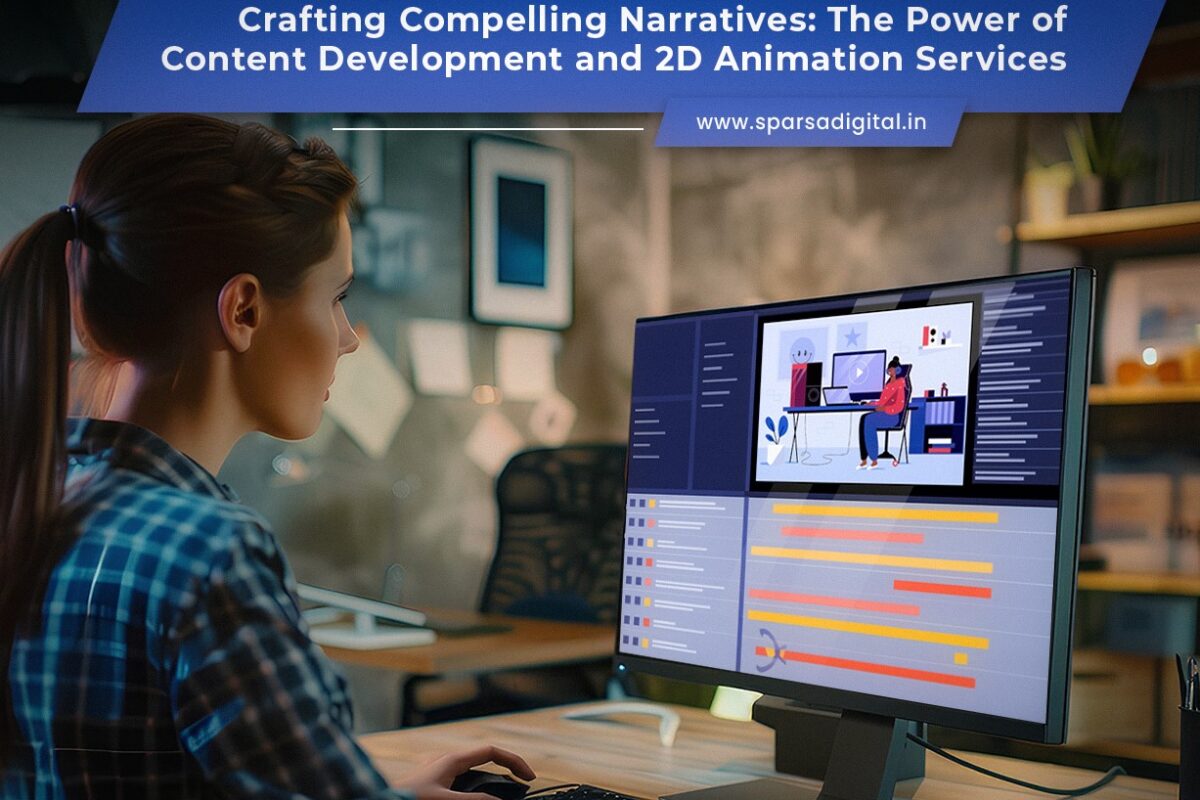
Crafting Compelling Narratives_ The Power of Content Development and 2D Animation Services

Crafting Compelling Narratives: The Power of Content Development and 2D Animation Services

In today’s digital era, creating engaging content is paramount for businesses aiming to captivate their audience and stand out in a competitive market. The integration of content development and 2D animation services has emerged as a powerful strategy to enhance storytelling, convey complex ideas, and connect with audiences on a deeper level. This blog explores the importance of content development and 2D animation services, their benefits, applications, and how they can transform your brand’s communication strategy.

The Essence of Content Development

What is Content Development?

Content development is the process of researching, creating, curating, and refining content to achieve specific business goals. It encompasses a wide range of activities including ideation, writing, designing, and optimizing content to engage target audiences and drive desired actions. Effective content development is rooted in understanding the audience’s needs, preferences, and behaviors, and crafting messages that resonate with them.

Key Components of Content Development

  1. Strategy: Developing a content strategy that aligns with business goals and audience needs. This includes setting objectives, identifying key messages, and selecting appropriate content formats and channels.
  2. Creation: Producing high-quality content such as articles, videos, infographics, and social media posts. This involves writing, designing, filming, and editing.
  3. Distribution: Sharing the content across various platforms to reach the target audience. This includes websites, blogs, social media, email newsletters, and more.
  4. Optimization: Continuously monitoring content performance and making adjustments to improve engagement and achieve business goals.

The Role of 2D Animation Services

What are 2D Animation Services?

2D animation services involve the creation of animated visuals in a two-dimensional space. This type of animation is widely used for creating explainer videos, educational content, advertisements, and entertainment. 2D animation brings characters, objects, and scenes to life through a series of sequential drawings or digital illustrations, creating the illusion of movement.

Key Components of 2D Animation Services

  1. Concept Development: Creating the initial idea and storyline for the animation. This includes character design, scriptwriting, and storyboarding.
  2. Illustration: Drawing characters, backgrounds, and other elements in a two-dimensional space.
  3. Animation: Bringing the illustrations to life by creating motion through a series of frames.
  4. Sound Design: Adding voice overs, sound effects, and music to enhance the animation.
  5. Editing and Finalization: Combining all elements to produce the final animated video.

Benefits of Combining Content Development and 2D Animation Services

Enhanced Storytelling

2D animation allows for creative and visually appealing storytelling. When combined with strategic content development, it can simplify complex concepts and make them more accessible and engaging for the audience. Animated characters and scenarios can convey emotions, actions, and ideas in ways that static images or text cannot.

Increased Engagement

Animated content is inherently more engaging than static content. It captures attention quickly and holds it longer, making it an effective tool for retaining viewer interest. The dynamic nature of animation, combined with well-crafted content, can significantly boost audience engagement and interaction.

Versatility

2D animation can be used across various platforms and formats, making it a versatile addition to your content strategy. Whether it’s for social media, websites, presentations, or advertisements, animated content can be tailored to fit different channels and audience preferences.

Improved Brand Recall

Animated content is memorable. The unique visuals and engaging narratives created through 2D animation help improve brand recall. When audiences remember your content, they are more likely to remember your brand and message.

Cost-Effective

Compared to live-action videos, 2D animation is often more cost-effective. It eliminates the need for expensive equipment, locations, and actors. Moreover, animations can be easily updated or modified, making them a flexible and budget-friendly option for long-term use.

Applications of Content Development and 2D Animation Services

Explainer Videos

Explainer videos are short, animated videos that explain a product, service, or concept in a simple and engaging way. They are ideal for capturing audience interest and providing clear, concise information. By combining content development with 2D animation, businesses can create compelling explainer videos that enhance understanding and drive conversions.

Educational Content

2D animation is an excellent tool for educational content. It can simplify complex subjects and make learning fun and interactive. Educational institutions, e-learning platforms, and corporate training programs can leverage 2D animation to create engaging and effective educational videos.

Marketing and Advertising

Animated advertisements are eye-catching and memorable. They can convey brand messages, promote products, and create a lasting impression on viewers. Content development ensures that these advertisements are aligned with the brand’s voice and strategy, maximizing their impact.

Social Media Content

Social media platforms thrive on visual content. Animated posts and stories can boost engagement and shares, helping brands reach a wider audience. By integrating content development and 2D animation, businesses can create visually appealing and shareable content that stands out in crowded social feeds.

Internal Communication

2D animation can also be used for internal communication within organizations. Animated videos can effectively communicate company policies, procedures, and updates in a way that is engaging and easy to understand. This can improve employee engagement and information retention.

Case Studies: Success Stories with Content Development and 2D Animation

Dropbox’s Explainer Video

Dropbox, a cloud storage service, famously used a 2D animated explainer video to simplify and explain its complex service to potential users. The animation, combined with a well-developed script, effectively communicated the benefits of Dropbox, leading to a significant increase in user sign-ups and brand awareness.

TED-Ed’s Educational Animations

TED-Ed, the educational initiative of TED, uses 2D animation to create engaging and informative educational videos. These videos cover a wide range of topics and are designed to spark curiosity and learning. The combination of expert content development and high-quality animation has made TED-Ed’s videos popular and widely shared across educational platforms.

Mailchimp’s Marketing Campaign

Mailchimp, an email marketing service, utilized 2D animation in their marketing campaigns to highlight the ease of use and benefits of their platform. The animated advertisements were not only engaging but also effectively communicated the value proposition of Mailchimp’s services. This led to increased brand recognition and customer acquisition.

How to Integrate Content Development and 2D Animation Services

Define Your Goals

Before starting any project, it’s crucial to define your goals. What do you want to achieve with your animated content? Whether it’s increasing brand awareness, educating your audience, or driving sales, having clear objectives will guide the content development and animation process.

Understand Your Audience

Knowing your target audience is essential for creating content that resonates. Conduct audience research to understand their preferences, pain points, and behaviors. This information will help you develop content that addresses their needs and captures their interest.

Collaborate with Professionals

Work with experienced content developers and 2D animation professionals to ensure high-quality output. A collaborative approach will help align the content and animation with your brand’s voice and strategy, resulting in a cohesive and effective final product.

Develop a Compelling Script

The script is the foundation of your animated video. It should be clear, concise, and engaging. Focus on storytelling and ensure that the script aligns with your goals and audience. A well-crafted script will guide the animation and keep the audience engaged.

Create Engaging Visuals

Work with animators to create visually appealing and memorable animations. Pay attention to character design, color schemes, and motion to ensure that the visuals enhance the story and keep viewers engaged. Consistent visual branding across all animated content will also reinforce your brand identity.

Optimize for Different Platforms

Tailor your animated content for different platforms and formats. Optimize the length, aspect ratio, and resolution based on the platform’s requirements and audience preferences. For example, shorter, attention-grabbing animations work well on social media, while longer, detailed animations are suitable for websites and presentations.

Measure and Optimize

After publishing your animated content, track its performance using analytics tools. Monitor metrics such as views, engagement, shares, and conversions. Use this data to evaluate the effectiveness of your content and make necessary adjustments to improve future projects.

Conclusion

The combination of content development and 2D animation services offers a powerful way to create engaging, memorable, and impactful content. By leveraging the strengths of both disciplines, businesses can enhance their storytelling, connect with their audience on a deeper level, and achieve their marketing and communication goals. Whether you’re creating explainer videos, educational content, advertisements, or social media posts, integrating content development with 2D animation can elevate your brand and set you apart in the digital landscape. Invest in these services to craft compelling narratives that captivate and inspire your audience.