

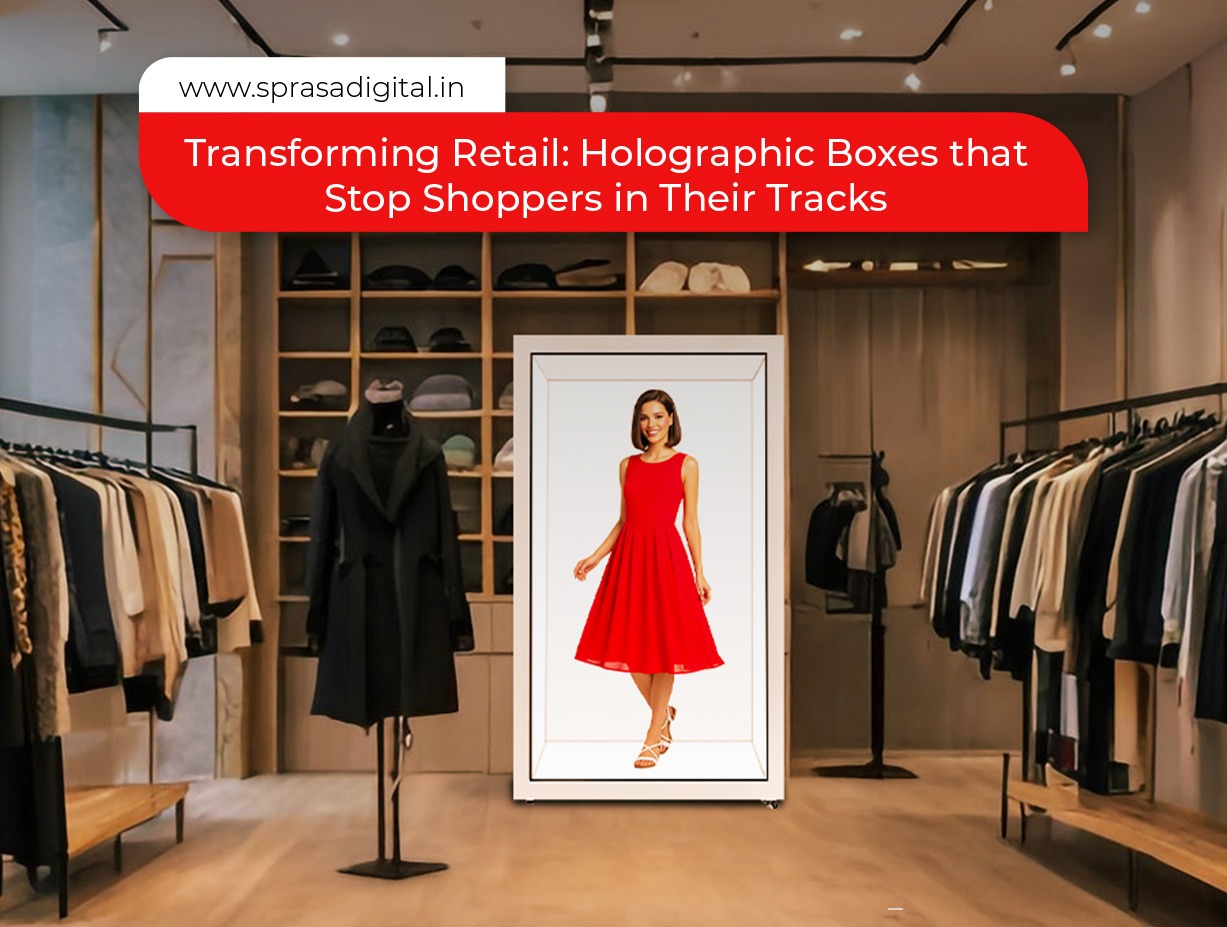
In a fast-paced retail world where attention spans are shrinking and competition is intensifying, captivating shoppers has become both a challenge and an art form. Traditional visual merchandising and static displays no longer suffice; consumers now crave immersive, futuristic, and memorable experiences that blend technology and storytelling. Enter holographic boxes: a groundbreaking innovation redefining how retailers showcase their products, engage audiences, and elevate brand perception.
From cosmetics and electronics to luxury goods and consumer packaged items, holographic boxes have become a stunning centerpiece for in-store marketing. They not only stop shoppers in their tracks but also transform passive browsing into active engagement, blending physical and digital worlds seamlessly.
What Are Holographic Boxes?
Holographic boxes, also known as holographic display cases or hologram boxes, are advanced visual systems that project three-dimensional holograms inside transparent enclosures. These displays can create floating, rotating, and interactive 3D visuals that appear to exist within the physical box, even though they are digital projections.
A typical holographic box comprises:
- A transparent screen or glass prism
- LED or laser projection units
- A motion sensor or touch interface for interactivity
- Integrated software for content management
These boxes can display anything from a rotating sneaker model to a perfume bottle emerging from swirling particles, making them ideal for retail displays, exhibitions, and product launches.
The Evolution of Visual Merchandising
Visual merchandising has evolved dramatically over the years, from hand-painted signs and window mannequins to LED screens and interactive kiosks. But the next leap is holography. Retailers have always sought ways to make products feel more “alive,” and holographic boxes finally make that possible.
Early holograms were largely 2D illusions created through clever lighting and mirrors. Today’s holographic boxes use digital 3D rendering, motion tracking, and volumetric projection to produce visuals that appear genuinely suspended in mid-air. These aren’t just displays; they are experiential storytelling tools that fuse art, technology, and emotion.
Why Retailers Are Turning to Holographic Displays
The appeal of holographic boxes lies in their ability to merge the real and the virtual while maintaining a strong physical presence on the retail floor. Here’s why more brands are embracing this technology:
1. Captivating Visual Impact
In an environment crowded with digital screens, holographic boxes stand out. The illusion of a product floating in space creates a “wow” factor that instantly draws foot traffic. Unlike standard digital signage, holograms feel futuristic and magical; tapping into consumers’ curiosity.
For instance, imagine a watch brand displaying a holographic projection of its latest timepiece, rotating in 3D while shimmering lights highlight its craftsmanship. It’s not just advertising; it’s storytelling in motion.
2. Enhanced Product Storytelling
Holographic boxes allow retailers to tell stories in ways physical displays cannot. They can visualize product features, demonstrate inner mechanisms, or show the product in use, all without needing physical samples.
For example:
- A smartphone display could show the phone’s components assembling in mid-air.
- A beauty brand could depict ingredients floating around a holographic jar of cream.
- A car dealership could showcase miniature holographic vehicles moving through terrains.
By blending emotion and information, holographic storytelling turns static observation into an interactive experience.
3. Maximizing Space Efficiency
In physical retail, space is premium. Holographic boxes let retailers display multiple virtual products in one physical spot. One holographic display can switch between products or variations with a simple software update reducing the need for physical stock on display.
This makes them perfect for:
- Pop-up stores
- Luxury boutiques
- Trade show booths
- Airport retail displays
4. Driving Engagement and Interactivity
Modern holographic boxes can integrate motion sensors or touch interfaces, enabling shoppers to interact with the hologram. They can rotate, zoom in, or trigger animations with gestures or taps. This interactivity turns shoppers into participants rather than spectators.
Retailers can even link the hologram to QR codes or AR extensions, letting customers scan and continue their journey on mobile devices, bridging online and offline experiences.
5. Differentiating the Brand Experience
In retail, differentiation is everything. Holographic boxes give brands a cutting-edge identity, signaling innovation and exclusivity. Whether it’s a luxury brand emphasizing sophistication or a tech brand showcasing futuristic aesthetics, holograms communicate a forward-thinking ethos.
They are also ideal for viral marketing- shoppers often record and share holographic displays on social media, amplifying organic brand exposure.
Real-World Applications of Holographic Boxes in Retail
Holographic boxes are not just futuristic concepts- they are already revolutionizing various retail sectors worldwide. Here’s how different industries are using them:
1. Luxury and Fashion Retail
High-end brands like Louis Vuitton, Gucci, and Dior have experimented with holographic boxes to showcase accessories, fragrances, and limited-edition items. The technology allows them to highlight craftsmanship and details that might be missed in traditional displays.
Imagine a floating handbag surrounded by glowing dust particles, or a holographic model wearing the latest outfit, it’s a captivating fusion of art and fashion.
2. Electronics and Tech Retail
For gadget stores, holographic boxes bring spec-heavy products to life. Instead of static models, customers can view animated internal components, performance visuals, or augmented product demonstrations.
A smartphone could unfold in the air, revealing its camera systems or battery layers, delivering a tangible sense of innovation without needing physical samples.
3. Beauty and Cosmetics
Beauty retailers use holographic boxes to demonstrate product usage and effects. A holographic display might show a perfume bottle surrounded by floral holograms or a makeup palette transforming through shades. This sensory-rich experience can greatly enhance brand perception and emotional appeal.
4. Food & Beverage Retail
Holographic boxes in the F&B sector add flair to otherwise ordinary displays. For example:
- A coffee brand can show holographic steam rising from a cup.
- A chocolate brand can show cocoa beans transforming into truffles.
- Restaurants can use holographic boxes for interactive menu showcases, allowing customers to view dishes in 3D before ordering.
5. Automotive Showrooms
Car dealerships use holographic boxes to display miniature car models that rotate and transform, demonstrating features such as aerodynamics, safety mechanisms, or customization options. It’s an engaging way to educate customers while maintaining a sleek, high-tech showroom aesthetic.
The Technology Behind Holographic Boxes
The magic of holographic boxes lies in a combination of optical science and digital rendering. Key technologies include:
- Pepper’s Ghost Technique: A classical optical illusion adapted for modern retail, where images are reflected on angled glass to appear floating in air.
- 3D Projection Mapping: Enables dynamic animations to wrap around objects.
- LED and Laser Projection: Provide brightness and clarity even in well-lit environments.
- Interactive Sensors: Detect gestures or movement for user engagement.
- Content Management Systems (CMS): Allow easy updates and scheduling of holographic content remotely.
Together, these elements create an illusion that feels both magical and tangible, capturing attention in ways traditional digital signage cannot.
Integrating Holographic Boxes with Digital Signage Ecosystems
Forward-thinking retailers are integrating holographic boxes into their digital signage ecosystems. Instead of standalone installations, they work in sync with LED video walls, interactive kiosks, and digital menu boards, creating a cohesive omnichannel experience.
For example:
- A holographic box can sit near an interactive digital table tent that provides additional information.
- A lift-and-learn setup can trigger holographic visuals when a shopper picks up a product.
- LED walls can provide complementary background visuals or storytelling sequences.
This synergy between holography and digital signage allows brands to deliver layered experiences, merging visual spectacle with informative interaction.
Benefits Beyond Aesthetics: ROI and Data Insights
While the visual appeal of holographic boxes is undeniable, their business impact is equally significant:
- Increased Dwell Time: Shoppers spend more time around holographic displays, boosting engagement.
- Higher Conversion Rates: Emotional and visual engagement often translates to purchase decisions.
- Social Media Amplification: Visitors record and share holographic experiences, expanding reach organically.
- Reduced Physical Inventory Needs: Virtual product representation saves shelf space.
- Analytics Integration: Some systems can track viewer interactions or dwell times, offering valuable behavioral insights.
In essence, holographic boxes are not just an investment in design, they are a data-driven marketing asset.
Challenges and Considerations
Like any emerging technology, holographic boxes come with considerations:
- Initial Cost: Advanced holographic units and content creation can be expensive, though prices are steadily declining.
- Content Requirements: High-quality 3D content is crucial; poor visuals can undermine the illusion.
- Lighting Conditions: Although modern boxes are bright, ambient light control enhances visibility.
- Maintenance: Regular calibration and cleaning of projection surfaces ensure optimal performance.
However, as technology becomes more accessible and scalable, these challenges are increasingly outweighed by the benefits.
The Future of Holography in Retail
The future of retail holography lies in greater interactivity and personalization. Integration with AI, augmented reality (AR), and real-time analytics will enable displays to adapt to shopper profiles and behaviors dynamically.
Imagine a holographic box that recognizes returning customers and tailors the content showing products based on previous purchases or preferences. Or, holograms that sync with mobile apps for immersive brand journeys extending beyond the store.
Moreover, as AR glasses and spatial computing become mainstream, holographic boxes could evolve into fully immersive retail environments where shoppers interact with holograms without physical screens.
Conclusion
Holographic boxes are redefining the boundaries of retail engagement. They’re not just visual gimmicks, they represent a new era of immersive retail storytelling where products come alive through light, motion, and interactivity.
By merging the physical with the digital, holographic boxes capture attention, spark curiosity, and elevate brand perception; essential ingredients for retail success in the experience-driven economy.
From luxury boutiques to tech stores, brands leveraging this futuristic medium are already witnessing a transformation in how customers perceive, engage, and remember them. The future of retail is not just bright, it’s holographic.
Frequently Asked Questions (FAQs)
1. What is a holographic box in retail?
A holographic box is a display unit that projects 3D holographic visuals inside a transparent enclosure, making digital images appear as if they’re floating in mid-air. It’s used in retail to showcase products in a visually striking and interactive way.
2. How do holographic boxes attract customers?
They use light, motion, and 3D visuals to create eye-catching illusions that immediately capture shoppers’ attention. The futuristic visuals encourage customers to stop, engage, and learn more about the product.
3. What industries use holographic boxes?
Holographic boxes are used across fashion, luxury retail, electronics, cosmetics, automotive, and food & beverage sectors for visual merchandising, product demos, and brand storytelling.
4. Are holographic boxes expensive?
Initial setup costs can be higher than traditional displays due to projection hardware and 3D content creation. However, they offer strong ROI through increased engagement, brand recall, and social media buzz.
5. Can holographic boxes be interactive?
Yes. Many models come with motion sensors or touch interfaces, allowing customers to rotate, zoom, or trigger animations. They can also be integrated with QR codes or AR experiences.
6. What size options are available for holographic boxes?
Sizes vary from compact tabletop models (for jewelry or cosmetics) to large floor-standing units for showrooms or exhibitions. Custom solutions are also available depending on the retail space and purpose.
7. How do holographic boxes fit into digital signage strategies?
They complement other digital tools like LED video walls, interactive displays, and digital menu boards, creating a cohesive and immersive retail environment.
8. Are holographic boxes suitable for outdoor displays?
They are primarily designed for indoor use due to lighting control requirements. However, weatherproof and high-brightness models are emerging for outdoor or semi-outdoor environments.
9. What kind of content can be displayed?
Anything from rotating product models, animation sequences, brand logos, and cinematic storytelling visuals to interactive product demos can be displayed in a holographic box.
10. What is the future of holographic displays in retail?
The future points toward AI-driven personalization, real-time interactivity, and full AR integration, making holographic boxes even more intelligent, adaptive, and engaging.