
Future with 3D Holographic Display and Hologram Boxes

Exploring the Future with 3D Holographic Display and Hologram Boxes

The world of technology is advancing at a rapid pace, and among the most fascinating developments is the rise of 3D holographic displays and hologram boxes. These innovative technologies are changing the way we interact with digital content and transforming industries such as entertainment, advertising, education, and healthcare. In this blog, we’ll delve into what 3D holographic displays and hologram boxes are, how they work, their potential applications, and some common questions people have about these technologies.

What is a 3D Holographic Display?

A 3D holographic display is a type of display technology that creates visual content in three-dimensional space, allowing viewers to see objects from various angles without the need for special glasses or other viewing aids. Unlike traditional 2D screens, which present images on a flat surface, 3D holographic displays project images that appear to float in mid-air, offering a more immersive and lifelike viewing experience.

At the core of a 3D holographic display is the principle of holography—a technique that records and reconstructs light patterns to create three-dimensional images. This is achieved using light interference, diffraction, and other optical phenomena. There are various methods used to generate holograms, including laser-based systems and digital holography, where computer-generated images are turned into holograms.

How Do 3D Holographic Displays Work?

In a traditional display, the image is composed of pixels arranged on a flat surface, each pixel emitting light in a particular direction. However, in a 3D holographic display, the light is projected in such a way that it creates the illusion of depth and volume. Depending on the technology used, holographic displays can either project images that appear to float freely in space or simulate the experience of viewing an object from multiple angles.

A common method to achieve this effect is through the use of a holographic projector, which can project multiple images from different angles onto a special surface or medium. This surface might consist of a transparent screen, a spinning display, or even a specialized holographic material that reacts to light to create the illusion of depth.

What is a Hologram Box?

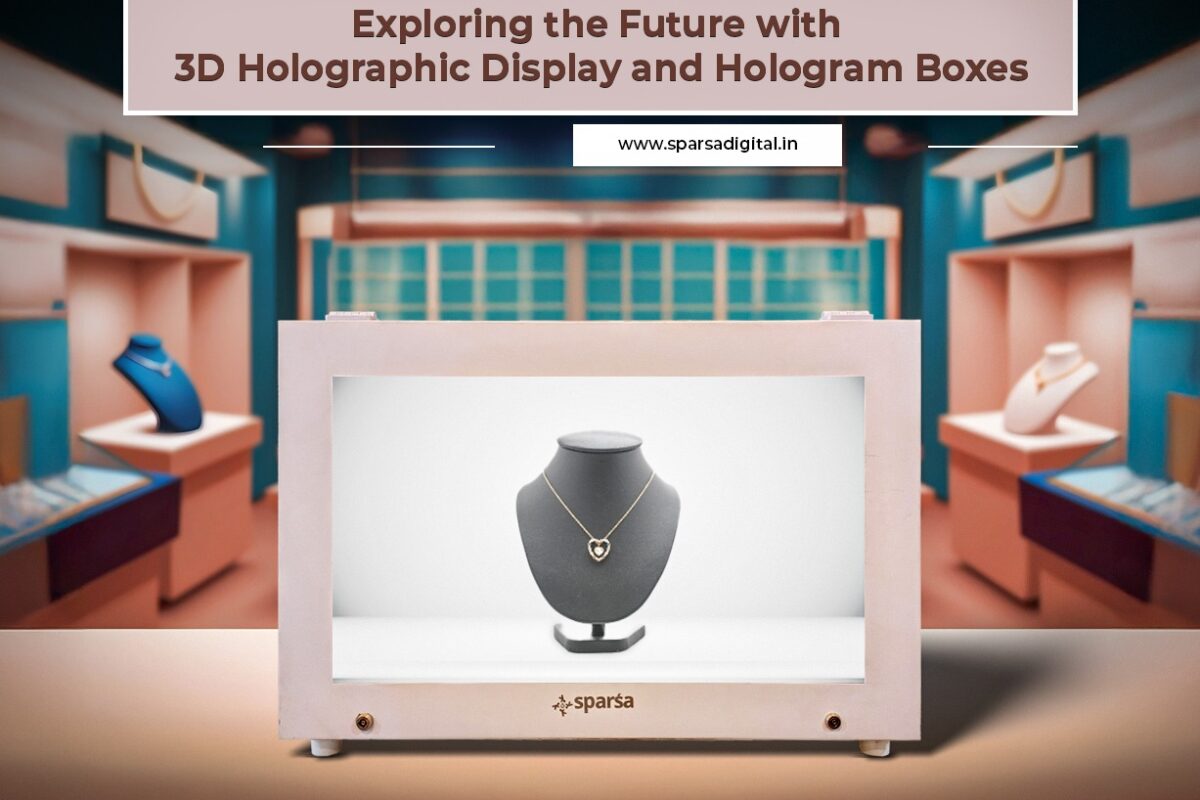
A hologram box is a type of device that allows users to display 3D holograms in a controlled environment. It’s essentially a small, compact display system that uses advanced projection and optical techniques to create holographic images inside a box. These devices typically use LED lights, mirrors, and a special display surface to project 3D visuals, giving the illusion of a floating image or object.

Hologram boxes are often used for displaying promotional content, product prototypes, or interactive media. These devices are especially popular for retail stores, trade shows, museums, and educational settings, as they provide an engaging way to present information to visitors. The compact design of hologram boxes makes them highly versatile and easy to integrate into various environments.

Applications of 3D Holographic Displays and Hologram Boxes

1. Entertainment and Media

One of the most exciting applications of 3D holographic displays is in the entertainment and media industry. Movie studios, gaming companies, and concert organizers are increasingly using holograms to create immersive experiences for audiences. For instance, holographic projections of deceased musicians, such as Tupac Shakur at Coachella, have sparked a conversation about the potential of holography in live performances.

Moreover, holographic displays are being used in video games, allowing players to interact with 3D characters and environments in ways that were once thought impossible. This could open up a new era for virtual reality (VR) and augmented reality (AR) experiences, where holograms are integrated into the physical world in real time.

2. Advertising and Retail

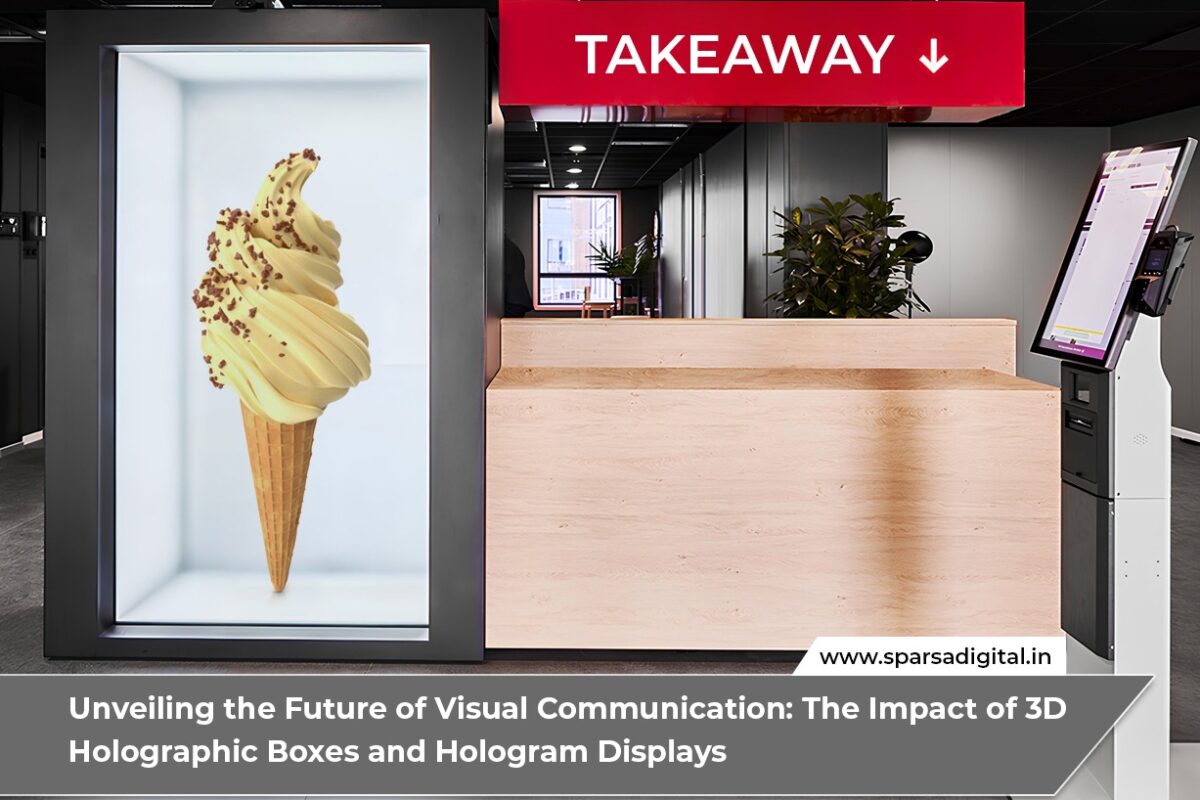
In the retail world, holograms are being utilized for eye-catching advertisements and interactive displays. Hologram boxes, for example, can showcase a product in 3D, allowing customers to view it from different angles without having to physically handle the product. This has become an effective tool for product launches, trade shows, and brand activations.

Retailers are also using holographic displays to create immersive shopping experiences. Imagine walking into a store and seeing a holographic assistant guide you through the available products, or interacting with a virtual model wearing the clothes you’re interested in buying. These types of experiences are making shopping more engaging and interactive.

3. Healthcare and Medical Education

The medical industry has also benefited from the use of 3D holographic displays. Medical professionals are now able to view complex anatomical structures in 3D, making it easier to study and understand the human body. Doctors and surgeons can view detailed holographic models of organs, bones, and tissues, allowing for better diagnoses and more precise surgeries.

Holography is also revolutionizing medical education, providing students with a more engaging and interactive way to learn about human anatomy and medical procedures. Instead of relying solely on textbooks and 2D images, students can now explore 3D holograms of the body, enabling them to gain a deeper understanding of complex biological systems.

4. Education and Training

In education, 3D holographic displays can enhance learning experiences by allowing students to interact with three-dimensional representations of objects and concepts. For example, a holographic display could show the solar system, allowing students to explore the planets and their orbits in 3D. Similarly, holograms can be used to simulate real-world environments for training purposes, such as flight simulations or military training.

The use of holographic technology can also help bridge the gap in remote education, offering virtual classrooms where students can engage with 3D holograms of the teacher or subject matter.

5. Design and Prototyping

Designers and engineers are using 3D holographic displays to create prototypes and visualize products before they are made. This allows them to see how their designs will look and function in the real world, making it easier to make adjustments and improve the product before production begins.

Hologram boxes are also being used in prototyping, allowing companies to display 3D models of products in a small, portable form. This is especially useful for showcasing designs to clients, investors, or partners during presentations.

Advantages of 3D Holographic Displays and Hologram Boxes

  1. Immersive Experience: 3D holographic displays provide an incredibly immersive experience that traditional 2D displays cannot match. Viewers can interact with and explore objects in a more natural and engaging way.
  2. Enhanced Visuals: Holograms can represent objects with incredible detail and depth, making them ideal for applications requiring high visual fidelity, such as medical imaging or product design.
  3. Interactivity: Many holographic displays allow for interaction, enabling users to manipulate the holograms using gestures, touch, or voice commands. This is particularly valuable in industries like education, where interactivity enhances learning.
  4. Portability: Hologram boxes are compact and can be easily transported, making them ideal for trade shows, retail displays, and exhibitions.
  5. Attention-Grabbing: The futuristic nature of holographic displays makes them highly effective at capturing attention, whether in a retail store, museum, or event.

Conclusion

The advent of 3D holographic displays and hologram boxes has opened up a world of possibilities across numerous industries. From revolutionizing entertainment and advertising to enhancing education and healthcare, holography is set to become a cornerstone of future technology. As these technologies continue to evolve and become more accessible, we can expect even more innovative and immersive applications in the years to come. Whether for business, education, or personal use, holographic displays are truly paving the way for the next generation of visual experiences.

FAQs

1. How do 3D holographic displays differ from virtual reality (VR) and augmented reality (AR)?

While VR and AR also offer immersive experiences, they are different from 3D holographic displays. VR requires users to wear a headset that immerses them in a fully virtual environment, while AR overlays digital content onto the real world using a smartphone or AR glasses. In contrast, 3D holographic displays project three-dimensional images into the air, visible to anyone in the vicinity without needing any special equipment.

2. Are holograms visible from all angles?

Yes, one of the main features of 3D holographic displays is that they allow viewers to see the image from multiple angles, just like a physical object. This creates the illusion of depth and allows for a more realistic and interactive experience.

3. How much do a 3D holographic display and hologram box cost?

The cost of 3D holographic displays and hologram boxes can vary widely depending on the technology, size, and complexity of the device. While consumer-grade holographic boxes can range from a few hundred to a few thousand dollars, larger and more sophisticated 3D holographic systems used in industries like healthcare or entertainment can cost tens of thousands of dollars.

4. What industries are using holograms the most?

Holographic technology is being used in a variety of industries, including entertainment, retail, healthcare, education, and design. It’s particularly popular in areas where visual content is key, such as advertising, product demonstrations, and medical imaging.

5. Can holograms be used for interactive experiences?

Yes, many modern 3D holographic displays allow for interactivity. Users can interact with the holograms using gestures, voice commands, or touchscreens, making these displays ideal for applications such as education, training, and entertainment.
The Impact of 3D Holographic Boxes and Hologram Displays Unveiling the Future of Visual Communication

The Impact of 3D Holographic Boxes and Hologram Displays: Unveiling the Future of Visual Communication

In the ever-evolving landscape of visual communication, 3D holographic technology has emerged as a groundbreaking innovation, revolutionizing the way we perceive and interact with digital content. From mesmerizing hologram displays to immersive 3D holographic boxes, this cutting-edge technology is reshaping the way businesses engage with their audience. In this blog, we’ll delve into the transformative potential of 3D holographic boxes and hologram displays and explore how they are redefining the future of visual communication.

Understanding 3D Holographic Technology

At its core, 3D holographic technology utilizes light diffraction to create three-dimensional images that appear to float in space. Unlike traditional displays, which project images onto flat surfaces, holographic displays generate images that have depth, volume, and perspective, creating a sense of realism and immersion. This technology is made possible through the use of holographic optical elements (HOEs), holographic projection techniques, and advanced rendering algorithms.

Key Components of 3D Holographic Systems

  1. Holographic Projectors: Holographic projectors are the primary hardware components used to generate holographic images. These devices employ lasers or LED lights to create interference patterns that produce the illusion of three-dimensional objects. Holographic projectors come in various forms, including tabletop displays, large-scale installations, and wearable devices.
  2. Holographic Content: Creating compelling holographic content is essential for maximizing the impact of 3D holographic displays. This may include 3D models, animations, videos, and interactive experiences. Holographic content can be created using specialized software tools, such as holographic design platforms and 3D modeling software.
  3. Holographic Projection Surfaces: The choice of projection surface can significantly impact the quality and visibility of holographic images. Transparent holographic screens, holographic film, and holographic glass are commonly used surfaces for displaying holographic content. These materials allow viewers to see the holographic image while maintaining visibility of the background environment.

Key Benefits of 3D Holographic Technology

  1. Immersive Experiences: 3D holographic displays offer immersive experiences that captivate and engage viewers. By creating lifelike images that appear to occupy physical space, holographic technology can evoke a sense of wonder and fascination, making it ideal for advertising, entertainment, and experiential marketing.
  2. Attention-Grabbing: Holographic displays have a unique ability to grab attention and stand out in crowded environments. Whether used in retail stores, trade shows, or event venues, holographic technology can attract passersby and draw them in with its mesmerizing visuals and interactive features.
  3. Versatility and Flexibility: Holographic technology is incredibly versatile and can adapted to various applications and environments. From small-scale tabletop displays to large-scale holographic installations, this technology can accommodate a wide range of use cases, including product demonstrations, virtual tours, and live performances.
  4. Memorable Brand Experiences: By leveraging the wow factor of holographic technology, brands can create memorable and impactful experiences that leave a lasting impression on their audience. Whether it’s unveiling a new product, telling a brand story, or delivering a keynote presentation, holographic displays can elevate the perceived value of a brand and enhance its reputation.

Implementing 3D Holographic Displays

The successful implementation of 3D holographic displays requires careful planning and execution. Here are some key considerations:

  1. Content Strategy: Developing compelling holographic content is essential for maximizing the effectiveness of 3D holographic displays. Brands should create content that is visually stunning, interactive, and relevant to their target audience. This may include 3D product visualizations, virtual tours, and immersive storytelling experiences.
  2. Hardware Selection: Choosing the right hardware is crucial for achieving optimal performance and visual quality. Factors to consider include display resolution, brightness, refresh rate, and viewing angle. Additionally, brands should invest in user-friendly software tools for content creation, management, and scheduling.
  3. Integration with Other Technologies: 3D holographic displays can integrated with other technologies to create seamless, interactive experiences. For example, brands can sync holographic displays with motion sensors, gesture recognition systems, and mobile devices to enable user interaction and engagement.
  4. Placement and Environment: Strategic placement of holographic displays is essential for maximizing visibility and impact. Brands should consider factors such as foot traffic patterns, viewing angles, and ambient lighting conditions when determining placement. Additionally, the surrounding environment should complement the holographic display and enhance the overall experience.

Case Studies

To illustrate the impact of 3D holographic technology, let’s explore two real-world case studies:

  1. Mercedes-Benz: The automotive giant Mercedes-Benz utilized 3D holographic technology to unveil its latest concept car at a major auto show. Instead of showcasing the physical vehicle on stage, Mercedes-Benz opted for a holographic projection that created a lifelike, interactive representation of the car. This immersive presentation captivated the audience and generated buzz around the brand’s innovative design and technology.
  2. Coca-Cola: The beverage giant Coca-Cola leveraged 3D holographic displays to create a memorable brand experience at retail stores during the holiday season. Using holographic projectors installed in store windows, Coca-Cola showcased festive animations and interactive games that encourage shoppers to engage with the brand and its products. This experiential marketing campaign not only increased foot traffic and sales but also strengthened Coca-Cola’s brand affinity among consumers.

Conclusion

In conclusion, 3D holographic technology represents a paradigm shift in the way we perceive and interact with digital content. From immersive hologram displays to interactive 3D holographic boxes, this cutting-edge technology is redefining the future of visual communication and creating new opportunities for brands to engage with their audience in meaningful ways. By leveraging the power of holographic technology, businesses can create memorable brand experiences, drive engagement, and differentiate themselves in an increasingly competitive market landscape. As we continue to push the boundaries of innovation, one thing is clear – the era of 3D holographic displays has only just begun, and the possibilities are endless.

Revolutionizing Content with 3D Holographic Boxes and Hologram Displays

3D Holographic Boxes and Hologram Displays: Revolutionizing Content

In the era of digital communication, the integration of cutting-edge technologies continually transforms how we interact with content. Among these innovations, 3D holographic boxes and hologram displays stand out as captivating mediums that redefine the way information is presented and consumed. In this blog post, we’ll explore the potentials, applications, and impact of these technologies on the field of blogging, ushering in a new era of immersive content experiences.

Understanding 3D Holographic Boxes and Hologram Displays

Before delving into their application in blogging, it’s essential to grasp the fundamentals of 3D holographic boxes and hologram displays. A 3D holographic box is a specialized device capable of projecting three-dimensional holographic images or videos into physical space, creating an illusion of depth and dimensionality without the need for additional eyewear. On the other hand, 3D hologram boxes utilize similar principles but can project holographic content onto transparent screens or surfaces, enabling viewers to see virtual objects seemingly integrated into their environment.

Applications of 3D Holographic Boxes and Hologram Displays

The applications of 3D holographic boxes and hologram displays span various industries, including entertainment, education, marketing, and healthcare. In entertainment, these technologies offer immersive experiences for viewers, allowing them to interact with virtual characters or scenes in real-time. Similarly, in education, holographic displays can revolutionize traditional learning methods by presenting complex concepts in a visually engaging manner, enhancing comprehension and retention.

Moreover, in marketing, 3D holographic boxes enable brands to create memorable and impactful advertising campaigns, captivating audiences with dynamic holographic content. By leveraging 3D hologram boxes, marketers can showcase products or services in a unique and attention-grabbing way, driving customer engagement and brand recognition. Additionally, in healthcare, these technologies hold promise for medical training, patient education, and even surgical assistance, providing healthcare professionals with realistic simulations and visualizations.

Integration into Automotive Industry: Enhancing Content Engagement

In the automotive industry, design and development are crucial stages that set the foundation for the entire manufacturing process. Traditional methods rely heavily on physical prototypes, which can be time-consuming and costly to produce. However, with the introduction of 3D holographic boxes, designers and engineers now have a more efficient and immersive way to visualize their concepts.

3D holographic boxes allow design teams to create and manipulate virtual models of vehicles with unprecedented realism and detail. By projecting holographic images in a three-dimensional space, designers can examine every aspect of a vehicle’s design from all angles, facilitating better decision-making and collaboration. This immersive experience enables teams to identify potential issues early in the design process, ultimately leading to faster iterations and improved final designs.

In addition to enhancing design processes, 3D holographic boxes are revolutionizing manufacturing operations within the automotive industry. Traditional manufacturing workflows often involve complex machinery and manual processes, leading to inefficiencies and production delays. However, with the integration of 3D holographic technology, manufacturers can streamline their processes and improve overall efficiency.

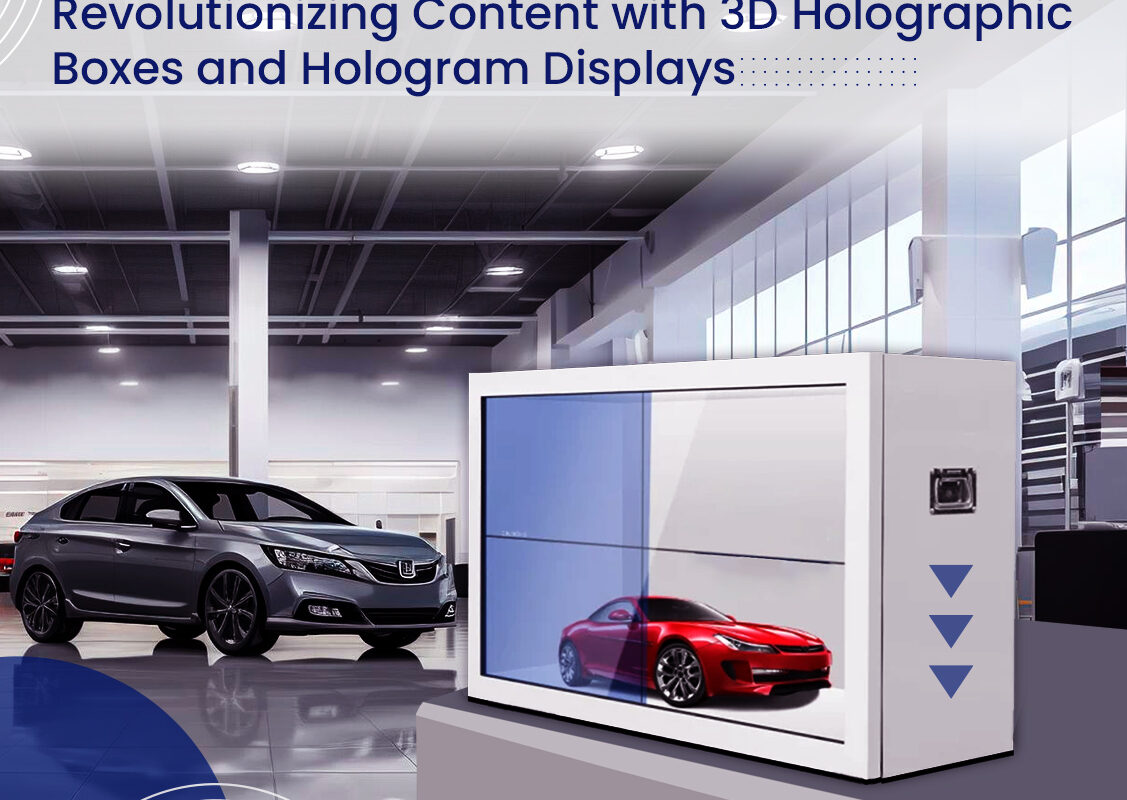
Automotive showrooms and dealerships are increasingly incorporating 3D holographic displays to showcase their vehicles in a dynamic and interactive manner. Instead of relying solely on physical models, dealerships can project lifelike holograms of vehicles onto 3D holographic boxes, allowing customers to explore different models, features, and customization options in unprecedented detail. This immersive showroom experience not only enhances the perceived value of the vehicles but also fosters a deeper connection with the brand.

Challenges and Considerations

While the potential benefits of integrating 3D holographic boxes and hologram displays into blogging are clear, there are also challenges and considerations to address. Firstly, the cost of these technologies may be prohibitive for some content creators, especially those operating on a limited budget. Additionally, creating high-quality holographic content requires specialized skills and resources, which may pose barriers for aspiring bloggers.

Moreover, the accessibility of holographic experiences remains a concern, as not all readers may have access to compatible devices or sufficient bandwidth to render holographic content seamlessly. Ensuring that blogs remain accessible to all audiences, regardless of their technological capabilities, is crucial for inclusive content creation.

Future Outlook and Conclusion

Despite these challenges, the integration of 3D holographic boxes and hologram displays into blogging holds immense promise for the future of digital content. As technology continues to advance and become more accessible, we can expect to see an increasing number of bloggers experimenting with holographic storytelling and immersive experiences.

FAQs

Q: How does a Transparent LCD Box work?

Ans: A transparent LCD screen replaces traditional glass on a display box. It showcases digital content like animations, images, or product highlights while letting viewers see the actual product inside.

Q: Can the Transparent LCD Box display videos and images?

Ans: Yes — it supports videos, images, text, and even interactive content

Q: Do Transparent LCD Boxes require backlighting?

Ans: Yes — since the screen itself is see-through, a backlight inside the box is essential to properly illuminate both the product and the content.

Q: Is the content customizable?

Ans: Absolutely. You can change, schedule, and update content remotely via a content management system (CMS) or locally through USB.

Q: Can I buy or rent Transparent LCD Boxes in India?

Ans: You can get them from digital signage solution providers like Sparsa Digital and other premium AV experience solution companies.

Conclusion

In conclusion, 3D holographic boxes and hologram displays represent revolutionary tools that have the potential to transform the way we engage with content online. By harnessing the power of holographic technologies, bloggers can create captivating, interactive, and memorable experiences for their readers, ushering in a new era of immersive storytelling in the digital age. As we embrace these innovations, the boundaries of what is possible in the world of blogging will continue to expand, offering limitless opportunities for creativity and expression.