

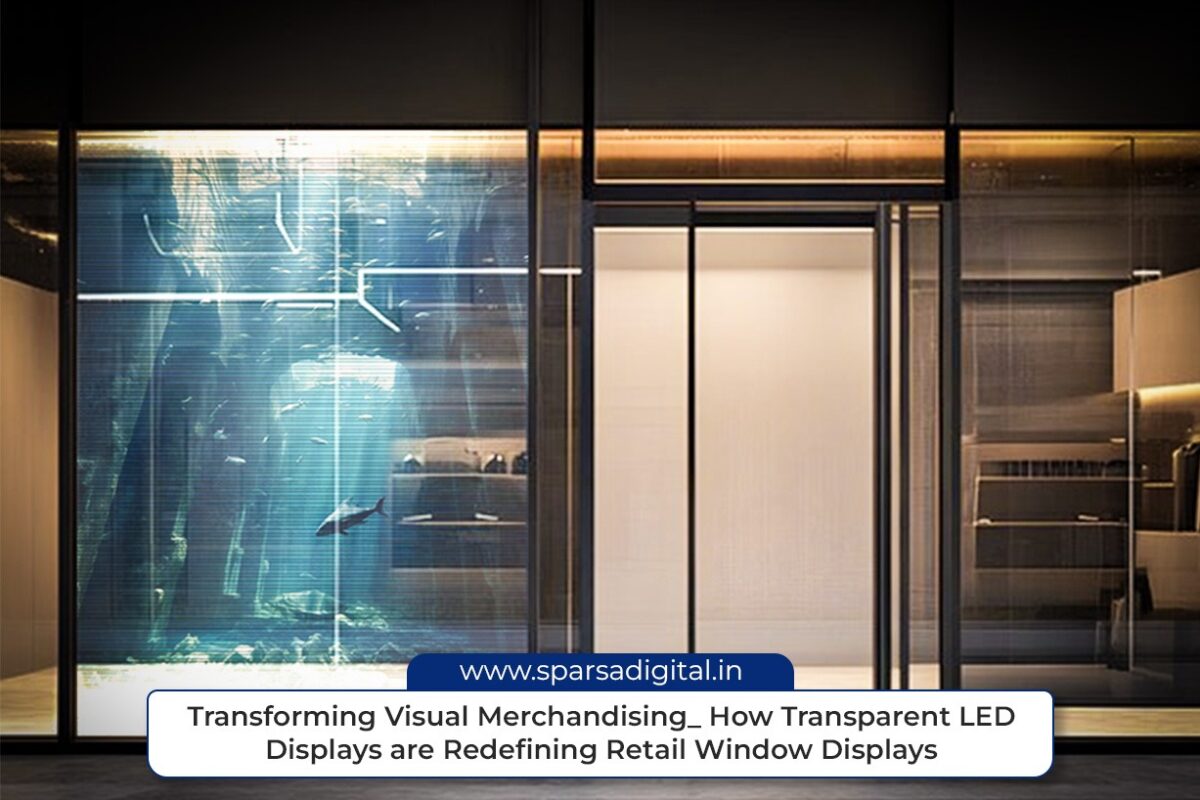
How Transparent LED Displays are Redefining Retail Window Displays

Transforming Visual Merchandising: How Transparent LED Displays are Redefining Retail Window Displays

In the competitive world of retail, first impressions are everything. The battle for consumer attention begins long before someone steps foot inside a store, it starts at the window. Traditionally, a retail window display has been a canvas for creativity, using mannequins, props, and printed graphics to draw interest. But as technology continues to reshape retail experiences, an innovative tool is emerging to turn heads like never before: the transparent LED display.

Often referred to as a see-through LED screen, this high-tech solution combines the brilliance of digital signage with the clarity of glass, allowing retailers to present dynamic content without blocking natural light or visibility into the store. These screens are ushering in a new era of interactive, digital visual merchandising that elevates both brand image and customer engagement.

The Evolution of Retail Window Displays

Retail window displays have always served as an art form and a marketing strategy. From elaborately themed scenes to minimalistic showcases, the goal has remained the same: capture attention and convert foot traffic into sales.

However, in a world where people are increasingly distracted by mobile devices and digital noise, static window displays can easily go unnoticed. That’s where the transparent LED display comes in. This technology enables businesses to blend vivid, motion-based digital content with traditional storefront views, without compromising the aesthetics of either.

What is a Transparent LED Display?

A transparent LED display is a lightweight, modular screen that allows light and visibility to pass through it. The display is made of thin LED strips embedded in a glass or acrylic surface, creating a see-through LED screen that can display videos, animations, text, or graphics while remaining transparent from both sides.

Because of their design, these screens are ideal for glass-fronted environments like store windows, showrooms, or shopping malls. They provide a futuristic look and offer functional flexibility that traditional LED screens or static signage can’t match.

Benefits of Using Transparent LED Displays in Retail

1. Dual Visibility

One of the standout advantages of a see-through LED screen is that it doesn’t block the view into the store. Passersby can see the dynamic digital content and still view the products or interior setup behind the screen.

2. High Brightness, Low Obstruction

These displays are built to perform well in bright environments, including direct sunlight. Even in well-lit areas, they remain highly visible while allowing up to 85% transparency.

3. Dynamic Content Capability

With a transparent LED display, retailers can showcase promotions, brand stories, seasonal campaigns, or interactive animations that captivate modern consumers used to digital interfaces.

4. Space Efficiency

Since these screens can be mounted directly onto glass, there’s no need for additional display fixtures or structural modifications. This helps save valuable floor space while upgrading the visual appeal.

5. Energy Efficiency

Compared to traditional digital signage, transparent LEDs consume less power and generate less heat, making them environmentally friendly and cost-effective in the long run.


Use Cases: Revolutionizing the Retail Window Display

Let’s explore how different types of retailers are leveraging this tech:

Fashion Stores

Exploring-The-Fascinating-World-of-Transparent-LED-Screens-and-Displays

Luxury fashion brands are using transparent LED displays to run looping videos of runway shows or immersive graphics. This draws attention without blocking window mannequins, maintaining an open and inviting ambiance.

Automotive Dealerships

Car showrooms use see-through LED screens to overlay digital specs, price highlights, and video effects over real vehicles on display. The screen adds excitement and a high-tech vibe to the showroom.

Electronics Retailers

Retailers showcasing high-end gadgets use animated content to explain features or demonstrate products. This allows for real-time promotions without changing physical displays.

Pop-Up Shops

Smaller, temporary retail installations can benefit from lightweight and portable transparent screens that pack a visual punch without needing elaborate buildouts.

Design Tips for an Effective Retail Window Display Using Transparent LED

  1. Keep It Simple Yet Impactful
     Bold colors, minimal text, and clean animations work best. The motion will catch the eye; too much clutter may reduce impact.

  2. Synchronize with In-Store Displays
     Align digital visuals with physical items in the window to create a seamless hybrid display. For example, show a model wearing an outfit next to the real version on a mannequin.

  3. Schedule Content Strategically
     Rotate promotions, greetings, and product highlights throughout the day. Consider tailoring content based on time, weather, or events.

  4. Test Viewing Angles
     Ensure the screen content is legible from street level and across various angles. Passersby should grasp the message within 5 seconds.

  5. Highlight Seasonal or Limited-Time Offers
     Use the versatility of the transparent LED display to push urgency and attract impulse foot traffic during sales and events.

Challenges to Consider

Though the technology offers impressive advantages, there are a few considerations:

  • Upfront Investment: Transparent screens are more expensive than traditional signage or static displays. However, their durability and reusability can offset costs over time.

  • Content Creation Needs: Dynamic content requires design effort. Retailers should be prepared to develop or outsource visual assets for maximum impact.

  • Brightness Settings: While adjustable, outdoor lighting may require fine-tuning screen brightness to maintain readability.

FAQs

Q: How is a transparent LED display different from a regular LED screen?

A standard LED screen is opaque and blocks the view behind it. A transparent LED display allows you to see through the screen while displaying vibrant visuals, making it ideal for window displays.

Q: Can these screens be used in daylight?

Yes. These displays are designed to function effectively even in direct sunlight, thanks to their high brightness levels.

Q: Is a see-through LED screen suitable for all store sizes?

Yes, transparent LED displays are modular and can be customized to fit various window sizes, making them suitable for small boutiques or large department stores.

Q: Can I change the content remotely?

Absolutely. Most modern transparent screens come with content management systems that allow for remote updates, scheduling, and even live data integration.

Q: Are these displays hard to maintain?

Not at all. They are designed for durability and typically require minimal maintenance. Routine cleaning and software updates are generally sufficient.

Looking Ahead: The Future of Retail Window Display Technology

As technology becomes increasingly integral to customer experience, innovations like the see-through LED screen are no longer optional, they’re expected. Shoppers today crave interactivity, visual excitement, and memorable brand interactions. Retail window displays powered by transparent LED technology check all those boxes while offering unmatched flexibility.

In the coming years, we can expect these screens to integrate with sensors, augmented reality (AR), and real-time customer data. Imagine a passerby triggering personalized content just by walking past your store; that’s the future of visual merchandising.

Final Thoughts

In a visually driven marketplace, standing out isn’t just a matter of having great products. It’s about creating unforgettable experiences. By integrating a transparent LED display into your retail window display, you’re not only catching eyes but also elevating brand perception and engagement.

Whether you’re launching a new product, promoting a limited-time offer, or simply enhancing storefront aesthetics, a see-through LED screen gives you the tools to innovate boldly and beautifully.
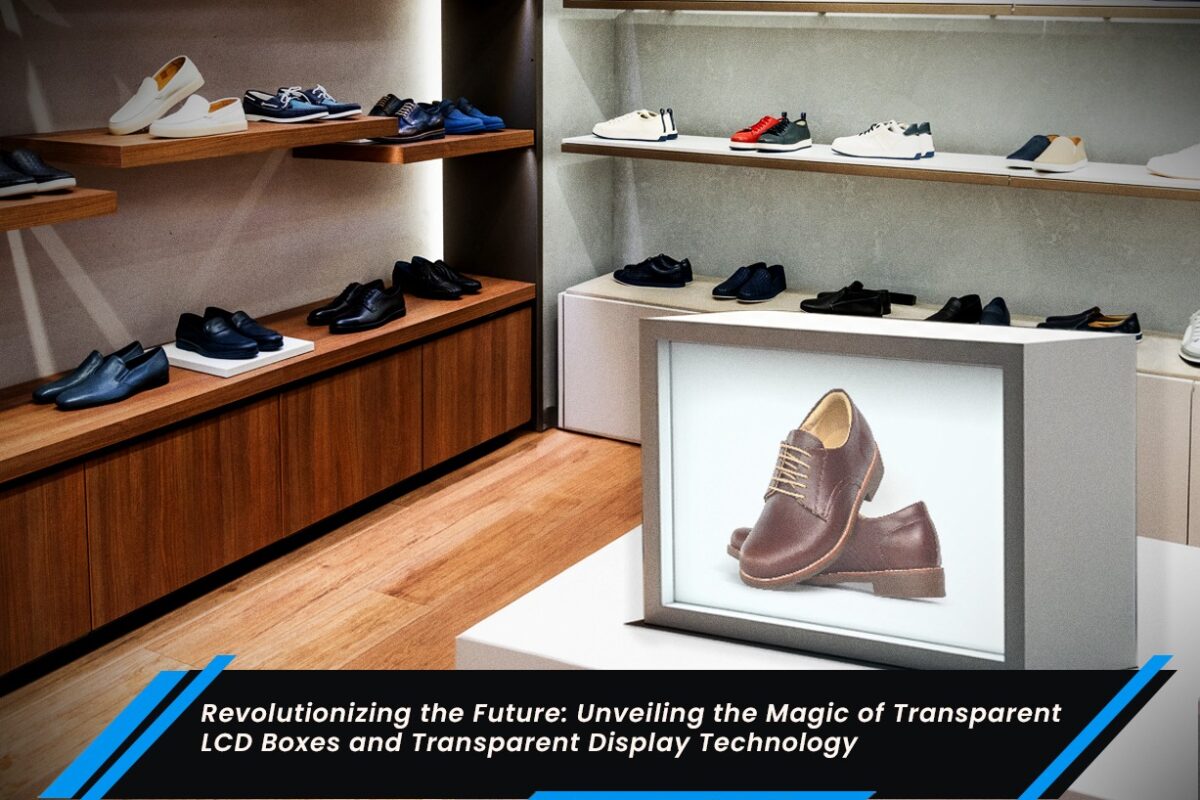
Transparent LCD Boxes

Unveiling the Magic of Transparent LCD Boxes and Transparent Display Technology

In the ever-evolving landscape of technology, innovations continue to reshape our world, and one such marvel is the Transparent LCD Box and Transparent Display Technology. These cutting-edge advancements are transforming the way we interact with information, bridging the gap between the digital and physical realms. In this blog post, we will delve into the intricacies of transparent LCD boxes and the broader transparent display technology, exploring their applications, advantages, challenges, and the potential impact on various industries.

Understanding Transparent LCD Technology:

1. What is Transparent LCD Technology?

   Transparent LCD technology involves the integration of transparent LCD panels, allowing users to view digital content overlaid on physical objects or scenes. This technology operates by selectively controlling pixel transparency, enabling a see-through effect.

2. How do Transparent LCDs Work?

   Transparent LCDs use a backlight to illuminate the display, and the liquid crystal layer controls the transparency of individual pixels. When a pixel is turned off, it becomes transparent, allowing light to pass through. Conversely, when a pixel is turned on, it becomes opaque, displaying the content.

Applications of Transparent LCD Boxes:

1. Retail and Advertising:

   Transparent LCD boxes are revolutionizing the retail sector by serving as interactive display cases. Products placed inside these boxes can be accompanied by dynamic digital content, providing customers with detailed information, promotions, and an immersive shopping experience.

2. Museum Exhibits and Galleries:

   Museums and galleries are adopting transparent LCD technology to enhance exhibits. By overlaying relevant information or multimedia content on artifacts or artworks, institutions can provide visitors with a richer understanding of historical and cultural contexts.

3. Corporate Presentations:

   Transparent LCD boxes are becoming popular in boardrooms and conference settings. Imagine a presenter seamlessly interacting with digital content while still maintaining eye contact with the audience. This application enhances engagement and information delivery in corporate environments.

4. Product Showcases:

   Industries such as automotive and electronics leverage transparent LCD boxes to showcase products. This creates an interactive and visually appealing display where consumers can explore product features and functionalities.

Transparent Display Technology Across Industries:

1. Automotive Industry:

   Transparent display technology is finding its way into car windshields, creating augmented reality (AR) experiences for drivers. Head-up displays (HUDs) overlay navigation information, speed, and other crucial details, enhancing safety and convenience.

2. Healthcare Sector:

   In healthcare, transparent displays can be integrated into medical equipment and surgical procedures. Surgeons can access patient data or medical images in real-time, improving precision and decision-making during surgeries.

3. Architecture and Design:

   Architects and designers utilize transparent displays to visualize building designs in real-world environments. This aids in conceptualization, planning, and communication with clients.

4. Education:

   Transparent display technology is reshaping the classroom experience. Teachers can use these displays to overlay educational content onto physical objects, creating interactive and engaging lessons.

Advantages:

   – Enhanced User Engagement: Transparent displays captivate audiences by seamlessly blending digital and physical elements.

   – Information Accessibility: Users can access relevant information without obstructing their view of the real world.

   – Aesthetic Appeal: Transparent displays contribute to a modern and sophisticated aesthetic in various environments.

Environmental Impact and Sustainability:

Energy Efficiency:

Transparent display technology is gradually becoming more energy-efficient, with advancements in LED backlighting and power-saving features. This contributes to sustainability efforts by reducing energy consumption in various applications.

Recyclability and Material Considerations:

As the technology evolves, there is an increased focus on making transparent displays more environmentally friendly. Researchers are exploring recyclable materials and sustainable manufacturing processes to minimize the environmental impact of these advanced displays.

Ethical Considerations and Privacy Concerns:

Privacy in Public Spaces:

The proliferation of transparent displays raises concerns about privacy, especially in public spaces. Striking the right balance between providing information and respecting individuals’ privacy will be crucial as these technologies become more prevalent.

Ethical Use of Augmented Reality:

As transparent displays find applications in fields like automotive and healthcare, ethical considerations must guide their implementation. Striking a balance between the benefits of augmented reality and potential risks, such as distraction in critical situations, is essential.

The Role of Transparent Displays in Remote Collaboration:

Remote Work and Virtual Meetings:

Transparent display technology can redefine the remote work experience by enabling more immersive virtual meetings. Participants can share and interact with digital content in a shared physical space, enhancing collaboration and communication.

Virtual Collaboration Spaces:

Transparent displays can create virtual collaboration spaces where team members, even in different locations, feel like they are in the same room. This has the potential to revolutionize how teams collaborate on projects, fostering creativity and innovation.

Overcoming Technical Challenges:

Brightness and Contrast Improvements:

Research and development efforts are focused on improving the brightness and contrast of transparent displays. Advancements in display technologies, such as micro-LEDs, hold promise for addressing these technical challenges.

Resolution Enhancement:

Achieving high-resolution transparent displays remains a goal for researchers. Innovations in pixel density and display manufacturing techniques are crucial for delivering clear and detailed content on transparent screens.

Regulatory Considerations and Standards:

Establishing Industry Standards:

As transparent display technology becomes more widespread, the need for industry standards and regulations becomes apparent. Standardizing specifications and safety guidelines will ensure the responsible development and deployment of these technologies.

Regulating Transparent Displays in Public Spaces:

Governments and regulatory bodies may need to address the use of transparent displays in public spaces to maintain safety, privacy, and a harmonious integration into urban environments.

Conclusion and Future Vision:

Transparent LCD boxes and transparent display technology are on the cusp of transforming how we perceive and interact with the digital world. From retail showcases to medical surgeries, the applications are diverse and promising. As technology continues to advance, addressing challenges and ethical considerations will be crucial for realizing the full potential of transparent displays.

The journey toward a transparent future is marked by continuous innovation, collaboration across industries, and a commitment to sustainability. The integration of transparent displays into our daily lives has the potential to enhance our experiences, foster creativity, and redefine the boundaries between the physical and digital realms. As we navigate this transformative era, the evolution of transparent display technology invites us to imagine and shape a future where information seamlessly weaves into the fabric of our surroundings, opening new avenues for exploration and discovery.