
In today’s experience-driven world, event marketing has evolved beyond banners, booths, and brochures. Brands now strive to immerse audiences in memorable experiences that combine technology, creativity, and storytelling. Whether it’s a trade show, product launch, or corporate event, attendees expect something unique, something that makes them stop, look, and engage.
Enter holographic boxes – one of the most captivating innovations transforming modern event experiences. These futuristic display units, capable of projecting three-dimensional visuals that seem to float in mid-air, are redefining the boundaries of audience interaction and brand storytelling.
Holographic boxes have quickly become a centerpiece of tech-savvy brand activations, creating unforgettable moments that drive emotional connections and digital amplification. They represent the new frontier for brand engagement, where technology meets imagination.
What Are Holographic Boxes?
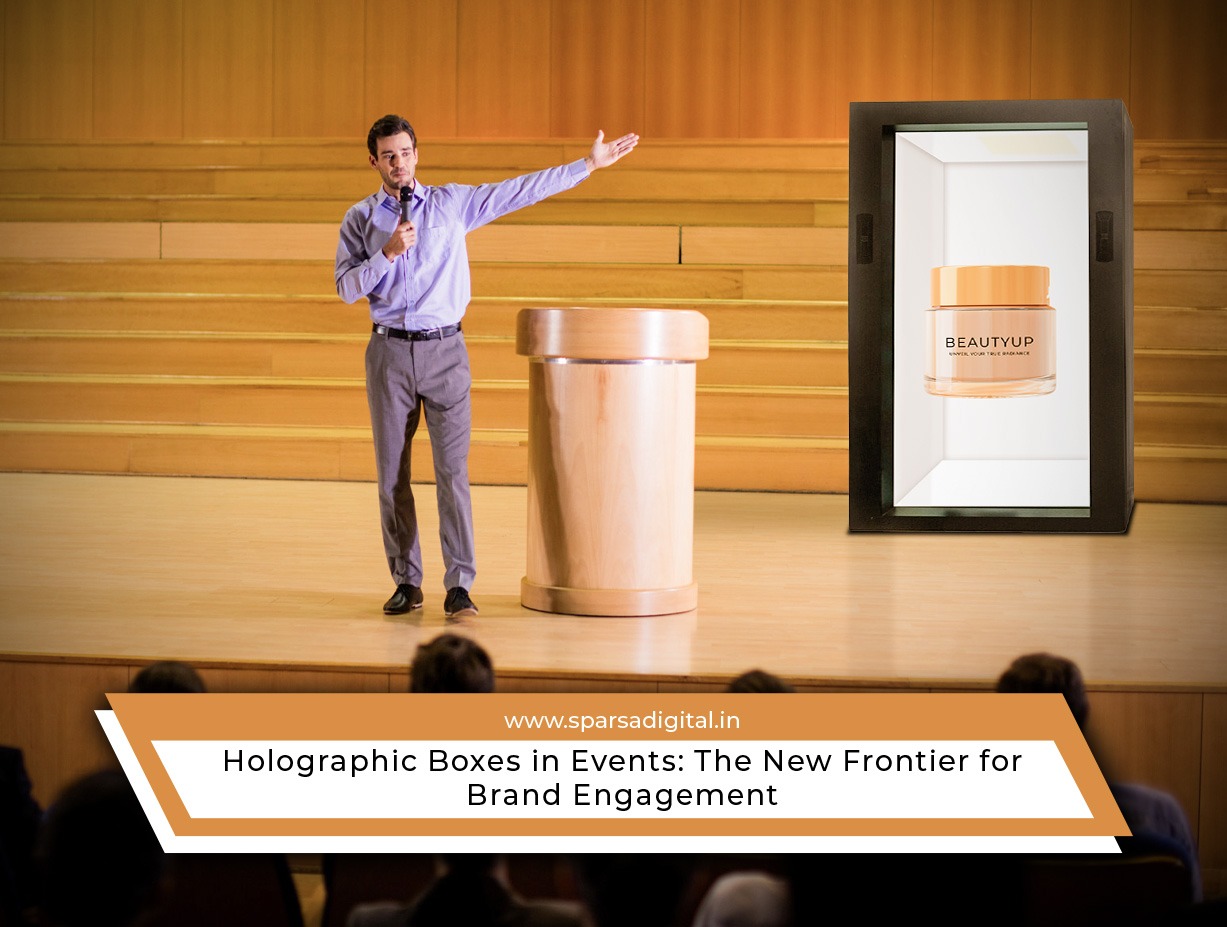
Holographic boxes are specialized display systems designed to create three-dimensional holographic visuals inside a transparent enclosure. They use advanced projection and optical technology to make digital objects appear as if they exist physically within the box – spinning, floating, or interacting with real-world elements.
A typical holographic box setup includes:
- A transparent screen or prism enclosure
- High-brightness LED or laser projectors
- 3D content rendering software
- Motion sensors or interactive touch components
- Built-in lighting for dramatic visual effects
In the event context, holographic boxes can be used to:
- Display products in 3D form without needing physical samples
- Create interactive storytelling sequences
- Showcase brand logos and effects in mid-air
- Demonstrate product functionality or innovation in a visually stunning way
Why Holographic Boxes Are Revolutionizing Event Experiences
Events today are about creating memories that live beyond the venue. Attendees remember experiences that surprise and delight them, and holographic boxes deliver exactly that. Here’s why they’re becoming indispensable for event marketers and brand managers:
1. Capturing Instant Attention
In crowded event spaces, brands have mere seconds to grab attention. Traditional signage or LED displays compete for visibility, but holographic boxes cut through the noise with mesmerizing visuals that seem magical and futuristic.
Imagine walking past a booth where a sneaker floats mid-air, rotating gracefully while animated dust particles swirl around it, it’s nearly impossible not to stop and watch. That initial pause is the beginning of engagement.
Holographic visuals create emotional impact, compelling audiences to explore further, interact, and remember the brand long after the event ends.
2. Offering Immersive Storytelling
Holographic boxes turn product showcases into stories. Instead of displaying a static product or looping video, brands can build an immersive 3D narrative that unfolds before viewers’ eyes.
For example:
- A tech company can show a laptop assembling itself in mid-air, layer by layer, while narrating its features.
- A beauty brand can depict holographic flower petals merging into a bottle of perfume.
- A car manufacturer can project a miniature holographic car that demonstrates its safety features in an animated scene.
By combining visuals, sound, and interactivity, holographic storytelling moves audiences emotionally and intellectually, strengthening brand recall.
3. Creating Interactive Experiences
Modern holographic boxes are not limited to passive viewing. With the integration of motion sensors, gesture controls, or touch interfaces, they allow attendees to interact directly with holograms.
Users can rotate a 3D model, trigger animations, or explore different product variants with a wave of their hand. This interactivity transforms spectators into participants, a powerful mechanism for engagement.
Brands can also incorporate gamified experiences or personalized messages, deepening the connection between technology and storytelling.
4. Space-Saving, Portable, and Scalable
Event venues often have limited space, and physical exhibits can be expensive and cumbersome to transport. Holographic boxes solve these issues by allowing multiple virtual displays in one compact unit.
They are available in various sizes, from tabletop boxes for product demos to large-scale installations for stage events. Their modular design makes them easy to transport, set up, and integrate with lighting and audio systems.
Moreover, with digital content, brands can update or customize holograms instantly, making them ideal for multi-location campaigns or international roadshows.
5. Encouraging Social Media Sharing
In the age of Instagram and TikTok, visually striking installations drive organic promotion. Holographic boxes naturally attract cameras and curiosity.
Attendees love sharing unique, futuristic visuals, often tagging the brand and event. This creates free digital amplification and enhances post-event visibility. A single holographic moment can generate thousands of impressions online, extending engagement far beyond the event floor.
6. Sustainability and Cost Efficiency
Unlike traditional booths that rely on printed banners, props, and disposable decor, holographic boxes are reusable and eco-friendly. They reduce the need for physical materials, minimizing logistical waste.
Additionally, once the hardware is acquired, content updates are purely digital, allowing brands to reuse the same setup for multiple events with different visuals or messages. Over time, this leads to substantial cost savings and sustainability benefits.
Applications of Holographic Boxes in Events
Holographic boxes are incredibly versatile and can be adapted to various event types and brand objectives. Here are some of their most impactful use cases:
1. Product Launches
When unveiling a new product, first impressions matter. A holographic box can dramatize the reveal, showing the product forming out of light, floating, rotating, and highlighting key features.
This approach not only builds anticipation but also conveys innovation and sophistication. Many tech, fashion, and luxury brands use holographic boxes for teaser presentations and hero product showcases.
2. Trade Shows and Expos
Trade shows are packed with booths competing for attention. Holographic boxes act as attention magnets, drawing visitors to the booth effortlessly.
They allow exhibitors to display product variations, inner workings, or conceptual prototypes without carrying heavy inventory. For example, a machinery company can show animated 3D models of equipment running, while a consumer electronics brand can simulate product performance visually.
3. Corporate and Investor Events
For corporate presentations, holographic boxes elevate brand perception. They can visualize complex data, demonstrate innovation pipelines, or present future product concepts in a visually intuitive manner.
During investor events, for instance, a company might use a holographic display to present its growth trajectory, transforming charts and infographics into dynamic floating visuals, making the message more memorable and impactful.
4. Brand Activations and Pop-Ups
Holographic boxes excel at immersive brand activations in malls, airports, or public spaces. They can serve as standalone attractions that combine art, tech, and interactivity to build emotional connections.
A beverage brand might use a holographic box to show water transforming into bubbles, then forming into the product bottle, capturing freshness and vitality. These installations also encourage photo opportunities, turning every viewer into a brand ambassador.
5. Conferences and Seminars
At conferences, holographic boxes can be used for sponsor branding, keynote visuals, or informational showcases. Instead of static signage, holographic visuals make sponsor messages dynamic and memorable.
They can also serve as interactive information points, allowing attendees to explore topics, schedules, or products in an engaging 3D format.
6. Entertainment and Experiential Marketing
Entertainment-driven events, from fashion shows to music festivals, are increasingly adopting holography. Imagine a live DJ performance with holographic elements floating above the console, or a fashion runway where holographic accessories complement real models.
This seamless blend of the digital and physical creates jaw-dropping moments that align with modern audience expectations of spectacle and innovation.
Integrating Holographic Boxes with Event Technology
Holographic boxes become even more powerful when integrated into the broader event tech ecosystem. Here’s how brands are combining them with other tools:
- AR and VR Experiences: Allowing users to extend holographic visuals onto mobile devices or headsets.
- RFID/NFC Interactions: Triggering personalized holographic content when a participant scans a badge or product.
- LED Video Walls and Lighting Systems: Creating synchronized visual environments where holographic displays blend with dynamic backgrounds.
- Lift-and-Learn Setups: Linking physical product handling to holographic animations for interactive demos.
Such integrations transform events into multi-sensory environments – combining touch, sight, and sound for deeper emotional engagement.
Benefits Beyond Engagement
While the visual wow-factor is undeniable, holographic boxes also deliver measurable business benefits for event organizers and brands:
- Higher Footfall: Eye-catching displays naturally draw more visitors to booths.
- Improved Brand Recall: Experiential engagement strengthens memory retention.
- Data Insights: Interactive systems can track engagement duration or preferences.
- Content Reusability: Once developed, holographic content can be repurposed for digital campaigns or retail displays.
- Premium Perception: Using holographic displays associates the brand with innovation and quality.
Challenges and Best Practices
Though impactful, holographic boxes require thoughtful planning to achieve optimal results.
Challenges:
- Lighting Sensitivity: Bright ambient light can reduce hologram visibility. Controlled lighting enhances effect.
- Content Quality: Poorly designed visuals can diminish impact; 3D content must be high-resolution and purposeful.
- Budgeting: High-end projection systems and 3D animation come at a cost, though modular rental solutions are available.
- Technical Expertise: Setup and calibration require skilled technicians to ensure seamless projection and alignment.
Best Practices:
- Keep visuals concise and visually rich, avoid clutter.
- Use storytelling rather than product listing; focus on emotion.
- Combine holography with sound design for immersive effect.
- Encourage audience participation or social media sharing.
- Align holographic visuals with brand color palettes and tone.
When executed well, holographic boxes become powerful brand ambassadors, translating innovation into tangible experience.
The Future of Holographic Displays in Events
The next wave of holographic engagement will push beyond boxes into fully spatial holographic environments, entire booths or stages built from light.
Integration with AI and real-time analytics will allow holograms to adapt dynamically greeting attendees by name, adjusting messages based on demographics, or personalizing product suggestions.
As 5G connectivity and cloud-based rendering advance, brands will be able to deploy synchronized holographic content across multiple locations simultaneously creating global event experiences unified by technology.
The line between physical and virtual will blur, ushering in a future where holographic storytelling becomes the norm for experiential marketing.
Conclusion
Holographic boxes are no longer futuristic novelties, they are powerful tools reshaping event engagement. They bridge creativity and technology, transforming traditional booths and displays into immersive experiences that captivate, educate, and inspire.
From product reveals to interactive storytelling, these displays redefine how brands connect with audiences, offering a perfect blend of innovation and emotional resonance.
In the age of sensory overload, brands that harness the magic of holography don’t just attract attention, they create memories. And in the world of events, memories are the most valuable form of marketing currency.
Frequently Asked Questions (FAQs)
1. What is a holographic box used for in events?
A holographic box is used to display 3D holographic visuals of products, brand stories, or logos, creating eye-catching and interactive experiences that attract and engage event attendees.
2. How do holographic boxes work?
They use transparent displays, LED or laser projection, and optical reflection techniques to create realistic 3D images that appear to float inside the box. Some also include motion sensors for interactivity.
3. Why are holographic boxes effective for brand engagement?
They stand out visually, evoke curiosity, and provide an immersive storytelling medium that emotionally connects audiences with the brand, increasing recall and word-of-mouth sharing.
4. Are holographic boxes suitable for all types of events?
Yes. They are versatile enough for trade shows, product launches, corporate events, exhibitions, and brand activations. The content can be customized for any audience or theme.
5. Can attendees interact with the holographic display?
Many holographic boxes are interactive, allowing users to rotate products, explore features, or trigger animations through gestures or touchscreens.
6. How do holographic boxes compare with traditional screens?
Unlike flat screens, holographic boxes create depth and dimension, making visuals appear physically real. This enhances attention, engagement, and memorability.
7. Are holographic boxes portable?
Yes. They come in various sizes, from compact tabletop units to large stage installations and can be easily transported and set up at different venues.
8. How can brands update holographic content?
Through a content management system (CMS), visuals can be updated remotely or locally. This flexibility allows real-time content customization during multi-day events.
9. What industries benefit most from holographic displays at events?
Technology, automotive, fashion, luxury goods, healthcare, and consumer electronics brands often use them to demonstrate innovation and attract high-value audiences.
10. What is the future of holographic boxes in event marketing?
Future versions will integrate with AI, AR, and spatial computing to create personalized, adaptive experiences making holography a core part of event storytelling.